UX Audit Tool – A Comprehensive Framework for Streamlining Digital Product Evaluation and Enhancing User Experience Precision
Client
Service Based
Industry
Design & Research
Services
User Research
UI Design
Timeline
6 Months
Tools
The Internal UX Audit Tool was developed for a leading client to streamline and standardize the evaluation of digital products — from enterprise-grade web platforms to mobile applications. It replaces fragmented audit methods with a repeatable, data-driven framework, ensuring evaluations are consistent, measurable, and aligned with strategic UX goals.
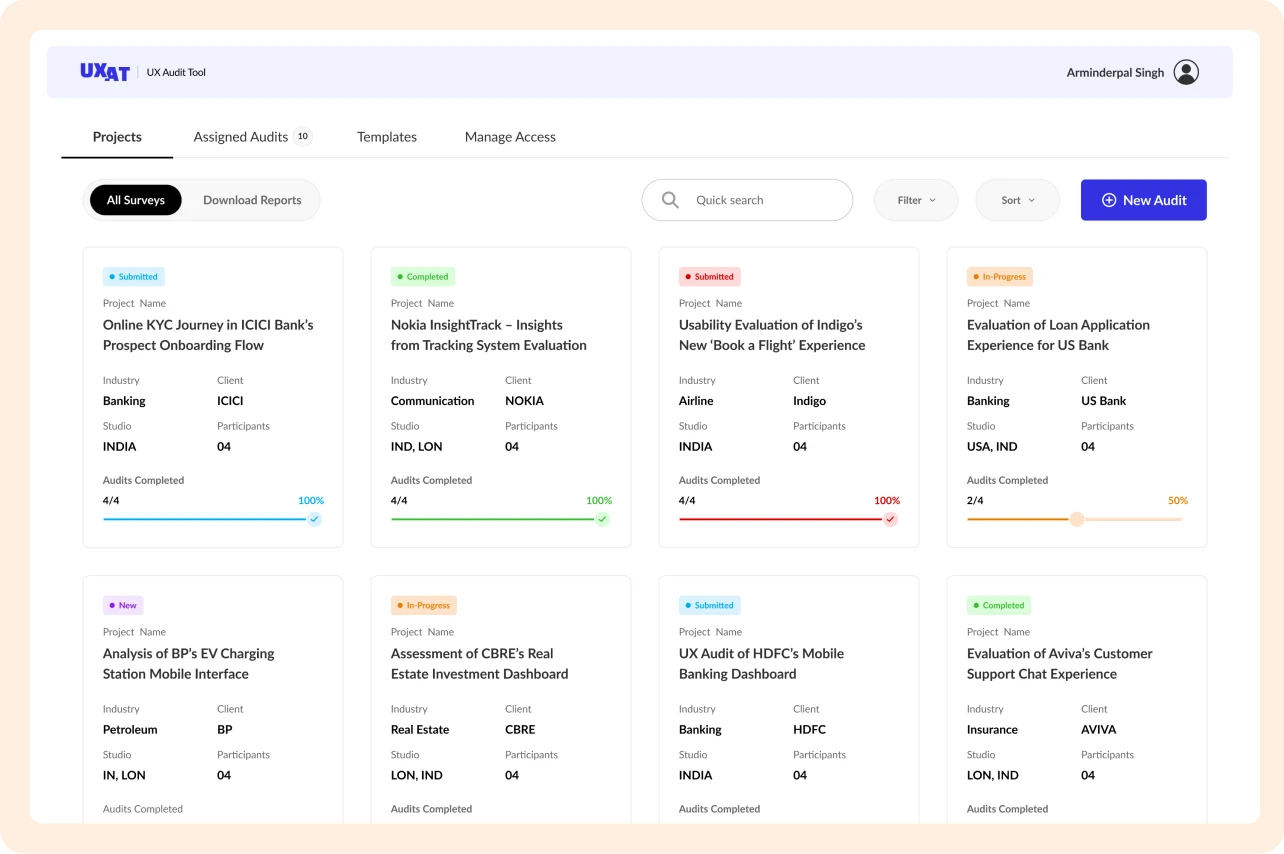
Project Cards
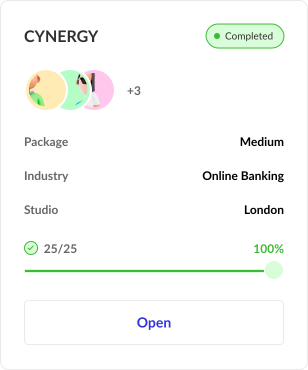
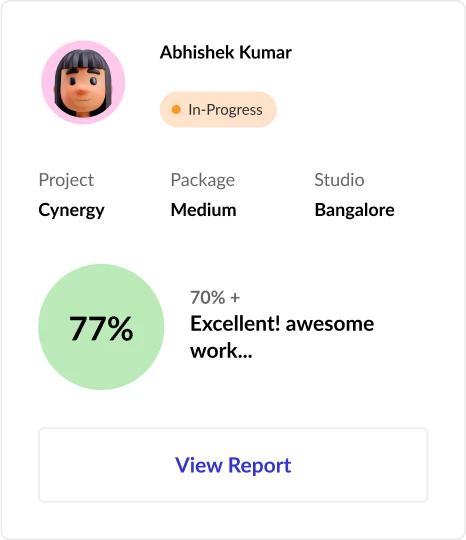
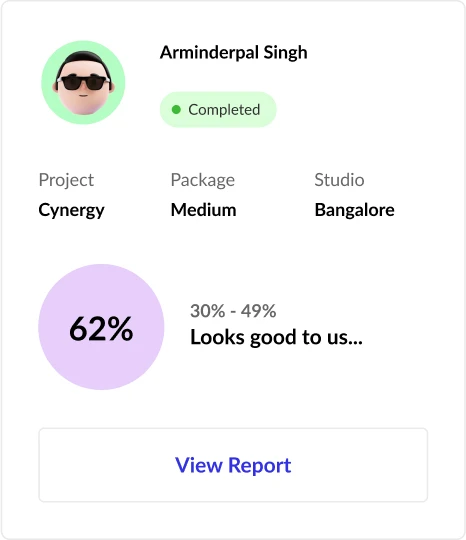
Each card showcases the client, project title, and focus area, allowing visitors to quickly spot relevant work and navigate to detailed case studies in an organised, visually engaging way.
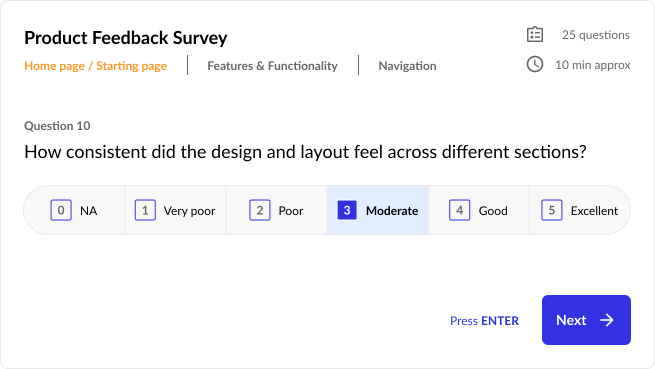
Product Feedback Survey
A structured survey designed to capture user opinions, satisfaction levels, and improvement suggestions, helping refine the product experience and align it with customer needs.
This initiated to overcome inconsistent audits by providing a data-driven framework for faster, more reliable evaluations.
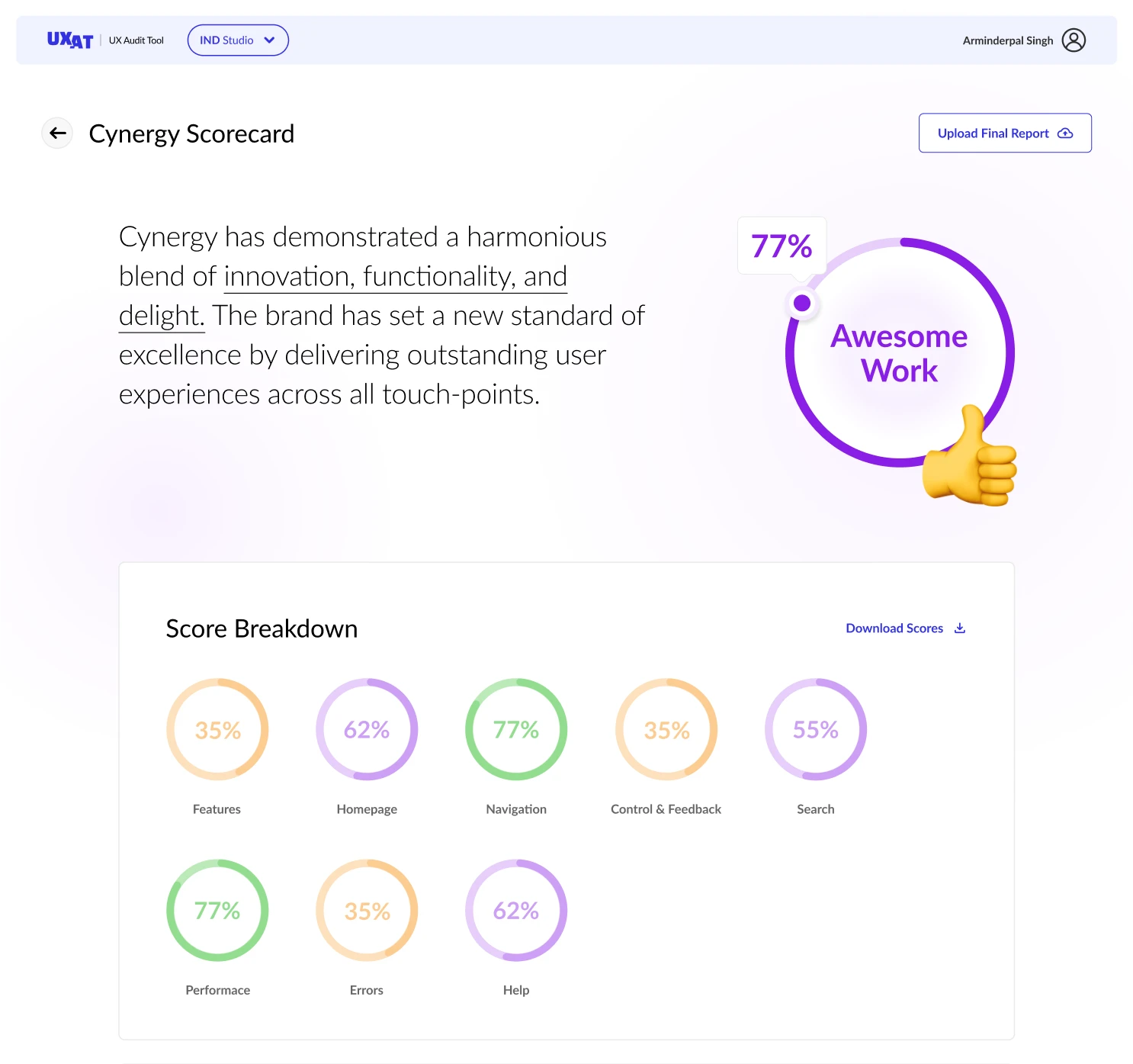
The Internal UX Audit Tool was designed to transform complex product evaluations into clear, prioritized insights that guide confident design decisions. By integrating all critical UX parameters—UXMM, Heuristics, Visual Design, NCPI, VIMM, and PET—into a single, cohesive workflow, it eliminates fragmented assessments, shortens audit timelines, and fosters collaboration across teams. This ensures usability gaps are identified early, design improvements are strategically targeted, and every change delivers measurable impact for both users and the business.
UX audits varied significantly between teams and projects, leading to conflicting results and lack of trust in findings.
Lengthy Audit Timelines
Traditional manual audits were taking weeks, delaying product releases and slowing down iteration cycles.
Limited Cross-Functional Accessibility
Audit results were often too technical for business teams, limiting their involvement in UX improvement decisions.
Lack of Standardized Framework
There was no unified approach to assessing critical UX aspects like usability, visual design consistency, or emotional engagement.
Building a Standardized Solution to Overcome Inconsistent and Time-Consuming UX Audits
Address core challenges – Overcome slow, inconsistent, and expertise-dependent audits that lead to fragmented insights.
Integrated framework – Combine six key evaluation pillars—UXMM, Heuristics, Visual Design, NCPI, VIMM, and PET—into one cohesive process.
Standardized approach – Apply structured checklists and scoring models for consistency across teams.
Actionable results – Deliver clear, prioritized insights that align with business and UX goals.
Measure progress – Track improvements over time to demonstrate impact.
Foster collaboration – Create a shared, evidence-based framework for designers, developers, and business stakeholders.
Our team developed comprehensive solutions to address each finding, ensuring all aspects were covered.
Centralized, Standardized Framework
Integrated six key UX parameters into a single, repeatable workflow for consistent evaluations across all products.
Progress Tracking & Benchmarking
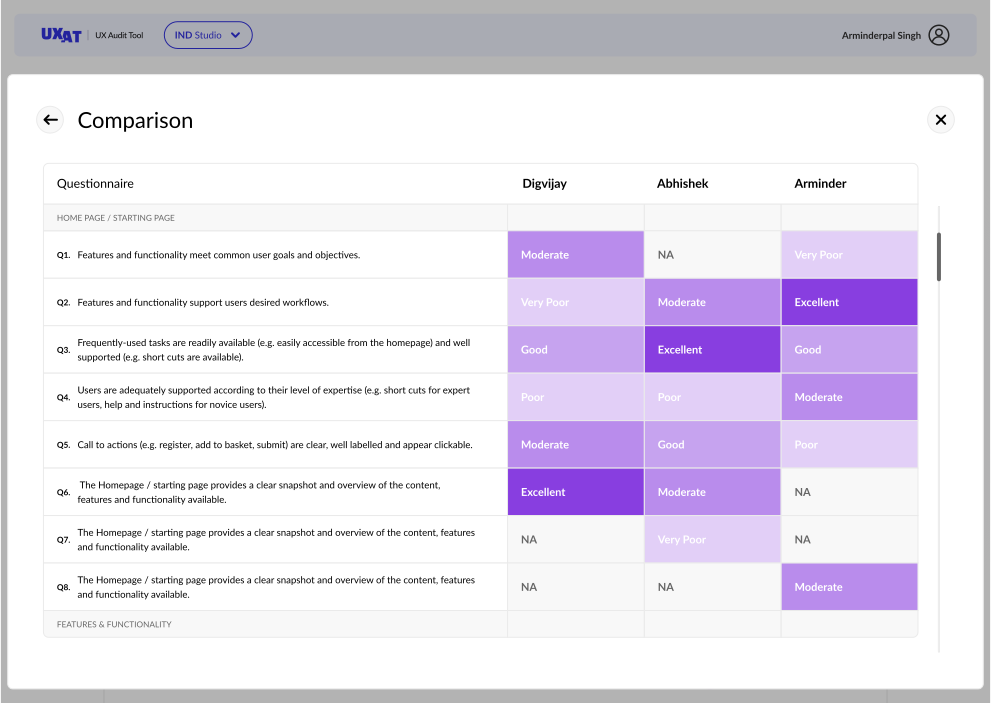
Enabled comparative reporting to monitor improvements and demonstrate ROI on UX initiatives.
Actionable Insights Delivery
Generated focused, easy-to-implement recommendations tied to business objectives.
Cross-Functional Accessibility
Reduced evaluation timelines from weeks to days through guided checklists, automated scoring, and streamlined workflows.
Accelerated Audit Process
UXBD combines coaching, resources, community, and motivation into one intuitive platform—allowing users to address multiple aspects of growth in a single, easy-to-use space.